
IPI Topic: Why Peacemaking Works
9/10/2026
Why Does Peacemaking Work, Especially in Indigenous Communities?
By Brett Lee Shelton (Oceti Sakowin, Oglala Sioux Tribe) Native American Rights Fund
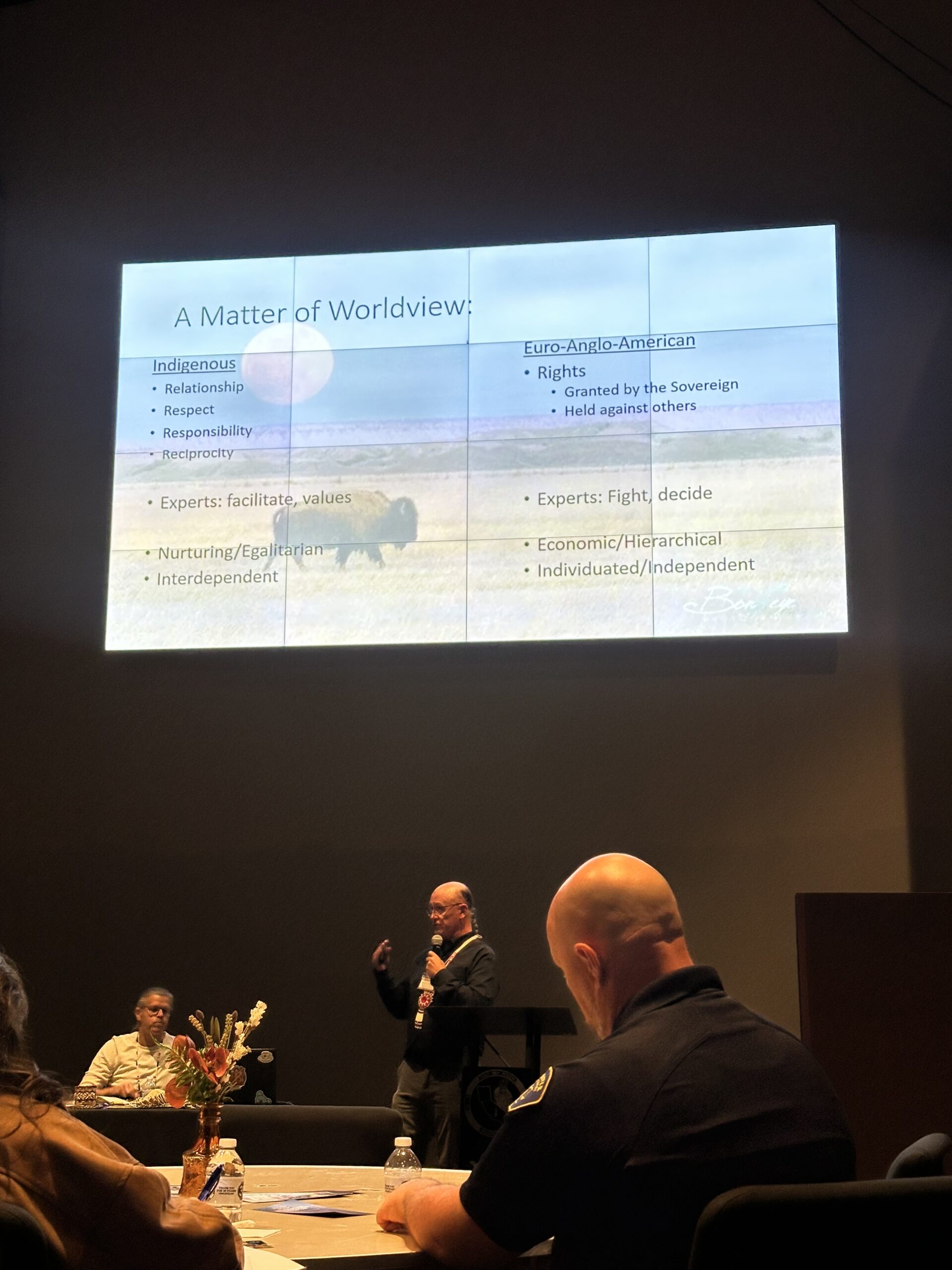
The term Peacemaking has fairly recently been adopted by many practitioners of Alternative Dispute Resolution (ADR), especially those whose practice is based largely on common Restorative Justice (RJ) models. In fact, the RJ movement at large frequently recognizes that its roots are in indigenous practices, but because most practitioners don’t actually come from Indigenous cultures, the relationship between Indigenous practices and modern RJ. That comes as no surprise since the Euro-Christian worldview that dominates most of our upbringing in North America, is quite different from more Indigenous worldviews.
It is valuable to understand why Restorative Justice works. The progeny carries benefits that also exist in the forebears. But it is also important to understand why Indigenous Peace Circles practice work in indigenous communities.
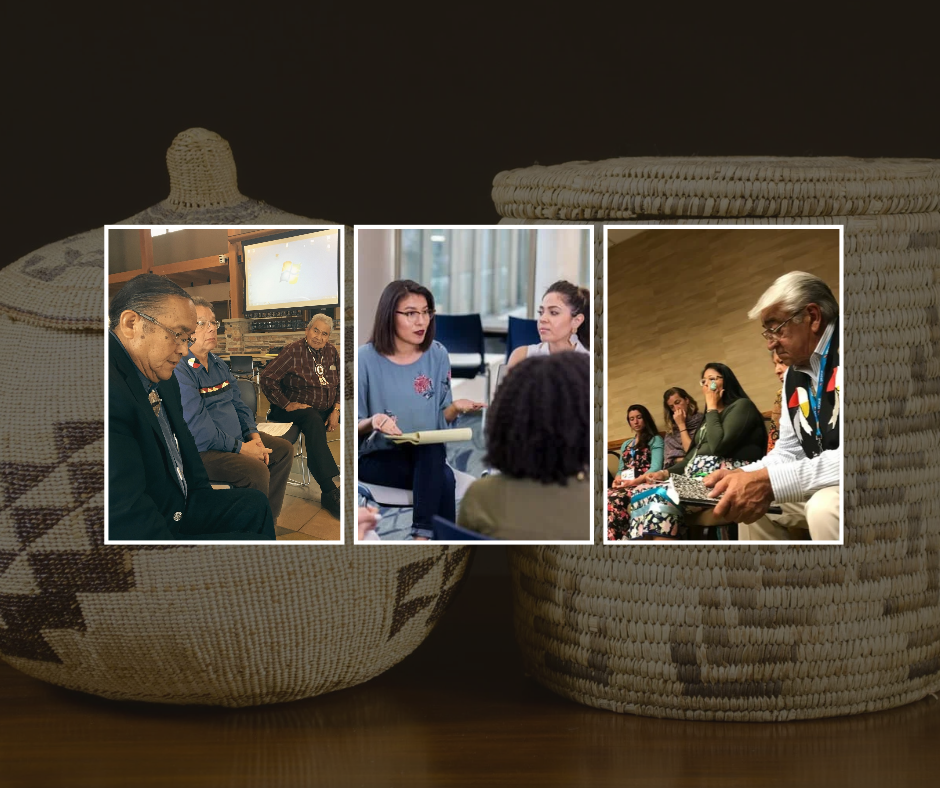

Why Does Restorative Justice Based “Peacemaking” Work?
A recent Google AI query explained this sort of Restorative Justice-based process that
“Peacemaking works because it replaces destructive cycles of hostility with structured communication, empathy, and collaborative problem-solving. By shifting opponents away from rigid positions and toward shared underlying needs, it transforms a zero-sum fight into a mutual search for a sustainable, workable path forward.”
This explanation makes good sense. Further, if one were to come visit an indigenous community and observe that community’s peacemaking or peace circles processes, this is the sort of explanation that one might develop.
The response to the Google AI query went on to provide Core Reasons It [RJ-based peacemaking] Works:
- Active Accountability: Forces offenders to face the real human impact of their actions instead of passively serving time.
- Victim Empowerment: Gives people who were harmed a voice, control, and a clear path toward closure.
- Empathy Building: Direct dialogue builds human empathy, making it harder for the offender to repeat the harm.
- Addressing Root Causes: Looks at the underlying social or personal issues that led to the behavior in the first place.
- Reintegration: Helps mend social ties, supporting the offender in becoming a safe and productive community member.
These are also true descriptions providing descriptive explanations of reasons why RJ-based peacemaking works, and much the same can also be said to be true for Indigenous peace circle processes.
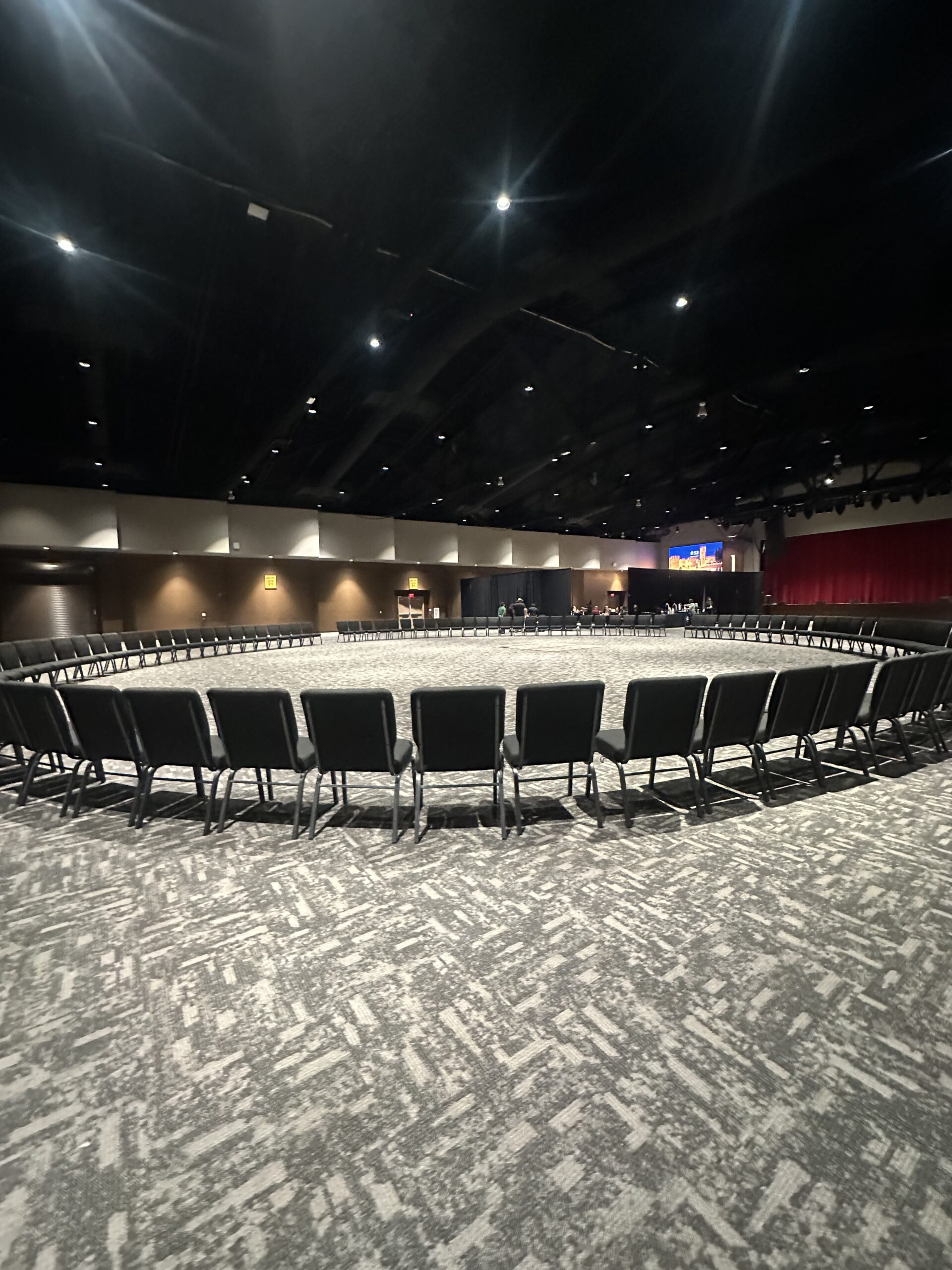
Why Does Indigenous Peacemaking Work in Indigenous Communities?
Answers to this question are important to understand because they explain what is special about an Indigenous community maintaining or developing its own model of Peace Circles or Peacemaking Practices. In many respects and instances, these reasons why the peace processes work rely heavily on the fact that the community members share ancestral cultures and identity. So, these benefits will not be as available in non-indigenous or highly fragmented communities.
Further, Indigenous Peacemaking processes frequently create resolutions and other impacts that benefit the community itself. Many benefits that result from the participation in Indigenous Peacemaking processes accrue to individuals, precisely because they are members of the community. These sorts of group benefits and group-based benefits to individual members would not be readily available in non-indigenous contexts.
Peacemaking usually works well in Indigenous communities for many reasons including:
- Sense of Belonging – Peace Circles responses to conflict are community responses, in that a group of community members gather to address the issue rather than a “neutral” third party issuing a decision after hearing arguments. Thus, Peace Circles demonstrate that people in the community care about what is going on. This creates a sense of belonging in the group, as opposed to a comparatively detached and or adversarial resolution to a problem one would receive in court.
- Self Esteem/Dignity – Peace Circles focus on finding solutions that will alleviate problems in the future, rather than determining whether somebody did wrong or who was at fault for something bad. This focus is better at fostering self-esteem and personal dignity, because it allows even wrongdoers to contribute constructively to a solution.
- Better Handling of Emotions – Certain aspects of the process of Peace Circle processes can help participants deal with emotions better than an adversarial process. Skilled and experienced peacemakers are aware of this potential and can help a group sort through various issues with techniques that help emotions stay better regulated than an adversarial process allows. Moreover, Indigenous communities have shared values and communication norms available for a peacemaker to draw from as well in leading participants through a discussion aimed at resolving a problem.
- Support from Group/Family – Indigenous worldviews typically focus more on the interdependence of family and community members than a Euro-Christian worldview does. Peace Circles tend to arrive at solutions based on support from participants for one another, and thus they preserve and enhance connections between families and other community groups.
- Mutually Derived/Consented Outcomes – Outcomes from Peace Circles are mutually derived and necessarily consented to by the whole group. This means that many viewpoints are represented in the outcome, and many vantage points will be available to help participants live up to their commitments as are reflected in the final agreed-upon outcome. Moreover, people tend to want to adhere more closely to behaviors they agree to do in a group.
- Focus on the Problem & Healing, Not on Labelling the Person as Bad – the focus in Peace Circles is on how to make things better, including focusing on strengths potentials in individuals as well as how those qualities can be supported. This is in stark contrast to an accusatorial system, where the focus is usually on whether someone’s actions put them at fault, and sometimes on whether they are a lawbreaker.
- Reflects Who We Are and Who We Aspire to Be – Because Peace Circles come from centuries – and even millennia-old cultures and practices, they are reflective of who Indigenous people are because of their cultural inheritance. Moreover, to the extent that Indigenous people value their culture and their community, peace circle practices developed by Indigenous communities reflect who the people aspire to be, while reflecting their own heritage from the past.