
Tribal Peacemaking Materials Collection
Laws, rules, and other written materials shared by Tribes to help others develop peacemaking
Training
Peacemaking methods, facilitation, and other issues
Technical Assistance
Writing, designing, and developing systems
Engaging in Advocacy
For tribal peacemaking in many contexts
Advisory Circle

Current Advisors
Sicangu Lakota Oyate
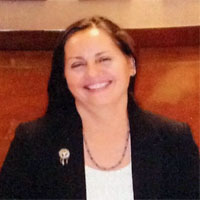
Nora Antoine, Ph.D. (Sicangu Lakota Oyate)
- Former faculty member at Sinte Gleska University on the Rosebud Reservation in South Dakota.
- Has worked with Indigenous peacemaking collaborators throughout the US and with various educational systems, tribal courts, and businesses interested in advancing, integrating, and promoting mediation and/or peacemaking into their systems.
- Focus on the role of leadership and integration of cultural values (respect, generosity, bravery, and wisdom) and how these values manifest in the organizations they lead.
- Peacemaking on the Rosebud : Two systems one goal. (2011) Nora Antoine (not available online; NILL catalog record)
- Peacemaking Project: A Curriculum Guide for High School Teachers. (2006) Nora Antoine
Grand Traverse Band
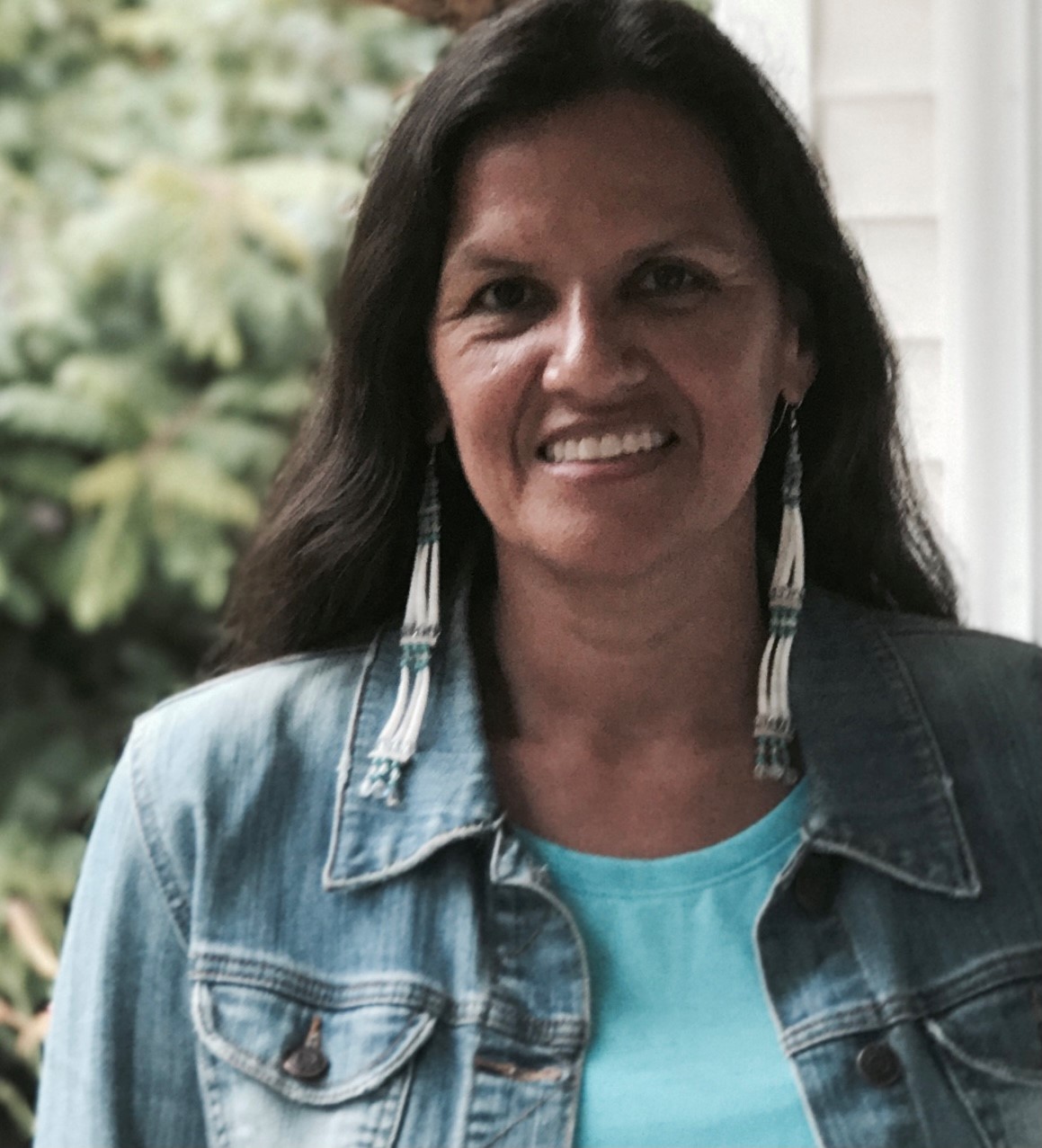
JoAnne Cook (Grand Traverse Band)
Chief Judge for the Little Traverse Band Tribal Court and resident of Peshawbestown, Michigan, JoAnne is an active member of the Grand Traverse Band of Ottawa/Chippewa Indians. She strives to live the Anishinaabe way of life, is a storyteller of the culture & traditions and shares with those who are seeking to understand this way of life. Cook has incorporated that belief into the development of alternative courts that utilize tradition and culture to promote healing and restore balance. She currently presents on native traditions & culture as well as consults with native and nonnative communities who are seeking to develop Peacemaking or wanting to live a balanced lifestyle.
JoAnne received her Business Administration degree from Ferris State University and a Juris Doctorate from the University of Wisconsin. Her professional experience includes one term on Tribal Council and as a Tribal Court Judge. She currently teaches a short course at NMC extended education twice a year, titled, History of the Anishinaabek.
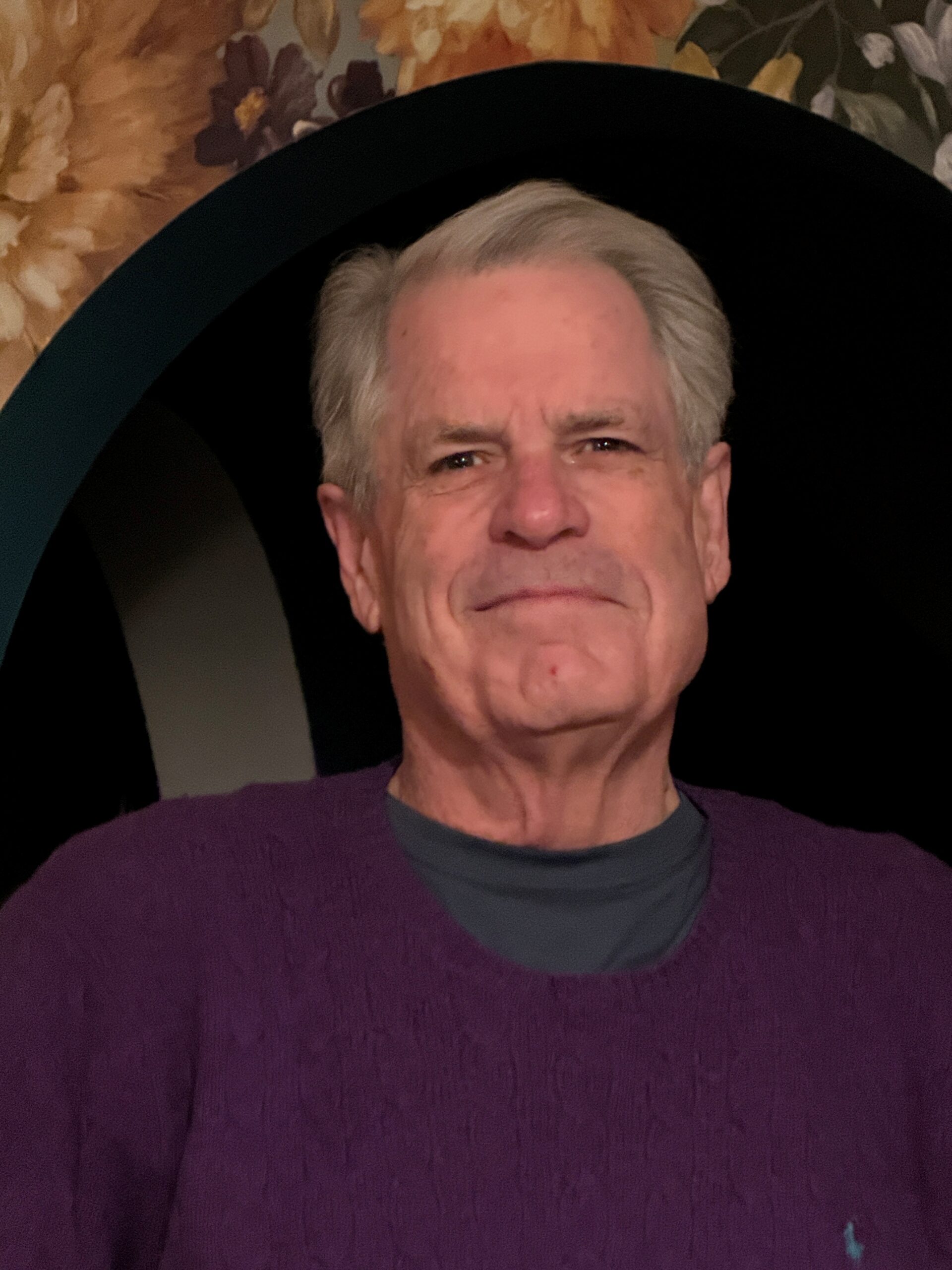
Chief Judge Tim Connors
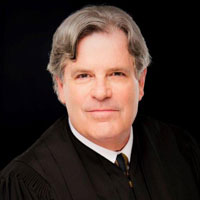
- Has been a state court judge since 1991, including 11 years as Chief Judge.
- Actively incorporates peacemaking principles shared by tribal communities in to state court justice systems.
- Awarded the Tecumseh Peacekeeping Award for Dedicated Service to Protecting the Rights of American Indians by the Michigan State Bar Indian Law Section.
- Authored Exit, Pursued By a Bear, Why Peacemaking Makes Sense in State Court Justice Systems. American Bar Association Judges Journal, Fall 2016; Our Children are Sacred, Why the Indian Child Welfare Act Matters. American Bar Association Judges Journal, Spring 2011; and Crow Dogs vs. Spotted Tail: Case Closed? Michigan Bar Journal, July 2010. Co-authored, TRIBAL COURT PEACEMAKING A Model for the Michigan State Court System? Michigan Bar Journal, June 2015.
Spirit Lake Oyate
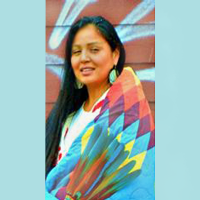
Natasha Gourd (Ihanktonwan and Sisitonwan bands of the Mdewakantonawan or Spirit Lake people)
- Former Traditional Court Director of the Wodakota, Traditional Court, at the Spirit Lake Nation.
- Helped to establish, implement, and secured funding for the “Wodakota” Peacemaking Court System for court-affected tribal youth, using tribal elders for cultural guidance. During the creation of this project she was able to spend thousands of hours with tribal elders learning the Dakota traditional values.
- Continues to monitor and guide the program in meeting its goals and trained the seven full-time elders in peacemaking techniques, which they carry on successfully on their own. Extensive project management training at the National Judicial College and has completed Advanced Tribal Court Management and Court Development courses as well as extensive courses in peacemaking, restorative justice, and mediation.
- Committed to helping address historical trauma and believes in the importance of tradition, language, and culture for healing and to enhance cultural identity. Passionate about the importance of tribal elders in this process.
- Mother of three boys.
Upper Tanana Dineh
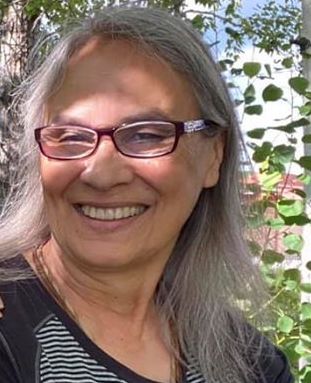
Polly E. Hyslop, Ph.D. (Upper Tanana Dineh, Northway, Alaska)
- Professor, University of Alaska at Fairbanks.
- Ph.D., Indigenous Studies; M.A., Justice Administration; B.A., Print Journalism.
- Served in Upper Tanana region as cultural-facilitator for university students, government, and private agencies.
- Focus on community-based justice processes in rural Alaska using peacemaking.
- Recently embarked on a documentary featuring Peacemaking Practitioners, Harold and Phil Gatensby of Carcross, Yukon, and Mike A. Jackson of Kake, Alaska.
- Program on Dispute Resolution and Restorative Practices: Course Overview. Summer 2016 semester. Polly Hyslop. University of Alaska – Fairbanks.
- Justice for All: An Indigenous Community-Based Approach to Restorative Justice in Alaska. Brian Jarret and Polly E. Hyslop. 2014. Explores the causes of a high crime rate among Native Alaskans, and how problems in the legal structures can make them worse. It then examines the development and implementation of Circle Peacemaking in Kake, Alaska and of the Upper Tanana Wellness Program. The article concludes by proposing nine principles useful to those interested in developing restorative-justice programs.
- Restorative Justice in Rural Alaska. Alaska Journal of Dispute Resolution. (2012) Polly E. Hyslop. This paper introduces a profile of the peacemaking circle in Kake, circle sentencing in Galena, and the Upper Tanana Wellness Committee in Tok; it explores the working relationship between the western justice system of magistrates and the communities and some challenges and limitations facing advocates of the process.
Tlingit and Haida
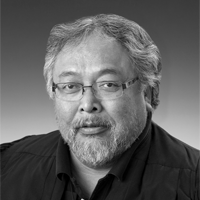
Mike A. Jackson (Tlingit and Haida)
- Founded the Kake Circle Peacemaking program in 1998, Keeper of the Circle.
- Alaska Court System, 27 years as District Court Magistrate Judge, Kake, Alaska.
- Has also served as Director of Transportation, Natural Resources Officer, Forest Engineer, and Construction Inspector
- Also an artist, with his wife Edna, and co-owner of Cedar House Gallery.
“Growing up in Kake and listening to my elders tell Kake history & the Story of Creation & Raven’s life as it pertains to our history & the Story of Clans & Crests of the two moieties have inspired my visions of the characters to come up with my designs of our way of life.”
“I was fortunate to know my Great Grandparents, Grandparents, Aunts & Uncles, and extended family in my Village, they guided me throughout my life in a good way & taught me our Core Community Values, “Our Laws of the Land”, that we live by. We have always practiced Peacemaking in our lives and ceremonies.”
Native Hawai’ian
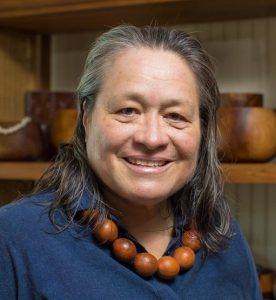
Manulani Aluli Meyer
- Native Hawaiian/Kanaka ʻŌiwi o Mōkapu a me Hilo Palikū
- Currently Associate Faculty Specialist at UH West Oʻahu focusing on the application of native knowledge.
- Former faculty member at the University of Hawaii Hilo and Te Wānanaga o Aotearoa in New Zealand
- Former Wilderness Instructor working with full-spectrum youth and adults (Hawaii, Florida, Boston)
- Haku Hoʻoponopono for 30+ years in various sites (family, college, community, prison, schools)
- “Doctorate in Philosophy of Education from Harvard Graduate School of Education (Ed.D. 1998)
- Focus on the role aloha/pono have in healing cultural and historical trauma
- Kōkua (helper) to haku hoʻoponopono: Aunty Lynette Paglinawan
- Published author on Indigenous epistemology and its expanding role in world-wide healing
Grand Traverse Band
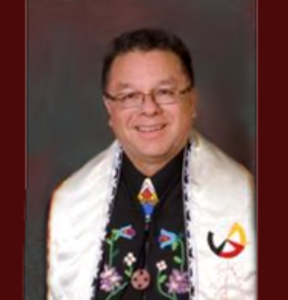
Chief Judge Michael Petoskey (Grand Traverse Band)
- Licensed Michigan attorney, and a Viet Nam veteran, serving as an infantry medic.
- Began his judicial career with the planning, implementation, and development of Grand Traverse Band of Ottawa & Chippewa Indians Tribal Court, while he was a staff attorney for Michigan Indian Legal Services.
- Chief judge for his tribe for over 16 years, until his retirement.
- Career interest has been working with newly-reaffirmed tribes to plan, implement, and develop their courts.
- Chief justice, Little River Band of Ottawa Indians Court of Appeals, 1999 – 2009.
- Associate Justice, Saginaw Chippewa Indian Tribe of Michigan Court of Appeals, 2002 – 2006.
- In 2002, appointed as the Pokagon Band of Potawatomi’s first Chief Judge.
- Chief Judge (retired),Little Traverse Bay Bands of Odawa Indians 1997-2006.
- In 1992, recognized by the Michigan Bar Journal as a Citizen Lawyer for his contributions in law to the tribal community.
- In 1997, named Lawyer of the Year by Michigan Lawyers Weekly.
- In 1999, the Grand Traverse Band Tribal Court was one of sixteen tribal programs nationwide honored as an outstanding example of tribal governance by The Harvard Project on American Indian Economic Development, John F. Kennedy School of Government, Harvard University.
- In 2000, the American Indian Law Section of the State Bar of Michigan honored Judge Petoskey and Michigan Supreme Court Justice Michael Cavanagh with the section’s annual Tecumseh Peacekeeping Award for their leadership in moving State of Michigan courts and tribal courts away from conflict and toward cooperation.
Stockbridge-Munsee Band of Mohican Indians
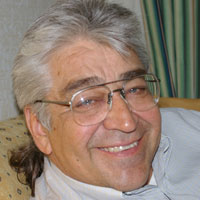
Dave Raasch (Stockbridge-Munsee Band of Mohican Indians)
- Independent consultant and national speaker on topics of “reparative” justice, peacemaking, and developing cross-jurisdictional relationships.
- Career in the justice field spanning forty years: began as a police officer, 20 years in court administration, plus 13 years as a tribal court judge.
- Recently retired as a Tribal Project Specialist for the National Criminal Justice Training Center at Fox Valley Technical College where he worked with Native American communities across the United States.
- Currently focuses on reparative justice and peacemaking emphasizing repairing harms caused by crime rather than merely punishing offenders; looks at accountability and healing and balancing the “self.”
- Faculty, National Judicial College.
- Board of Directors, Tribal Law and Policy Institute.
- Corporate Board, Court Appointed Special Advocates of Brown County, Wisconsin.
- Assisted in the production of Tribal Nations: The Story of Federal Indian Law (60 minute documentary).
- Tribal Law and Order Act Advisory Committee.
- In his free time, he enjoys his five grandchildren and reading.
White Earth Nation
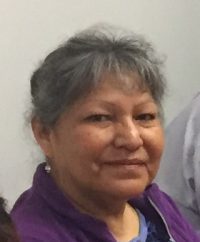
Hon. Laurie Vilas (White Earth Nation)
- Current Peacemaker for the Mille Lacs Band Tribal Court – focus on custody, visitation and guardianship cases
- Restorative Justice Work for over 20 years through building bridges with local, state, and tribal systems.
- Has been committed to working with youth from elementary school students with emotional behavior disorders and at a Native American Group home serving 8-18 year old students
- Former Circle Coordinator for Mahnomen County, Minnesota which led to collaboratively implementing a sentencing circle for youth offenders to reduce recidivism.
- Work with prisoner reentry for Northwest Indian OIC to reduce recidivism. In all these positions Laurie utilized peace circles to resolve conflicts.
Pokagon Band of Potawatomi Indians
Jason Wesaw (Pokagon Band of Potawatomi Indians)
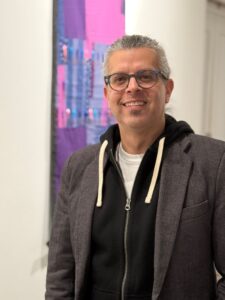
Jason began his journey of learning about Native justice over 20 years ago and became the first Peacemaking Coordinator for his Tribe in 2021.
Jason has dedicated his life to learning the traditional ways of his ancestors and is often called upon to help the community with ceremonies, teachings, and celebrations. He is also a contemporary artist who has shown his work internationally and is in the permanent collections of many major institutions throughout the Great Lakes region. Jason has three children and lives near the historic Potawatomi settlement of Rush Lake in southwestern Michigan.

Emeritus Advisors
Carey Becenti
Jicarilla Apache
Philmer Bluehouse
Navajo Nation
In Memorium
James Bottsford
Kevin J. Briscoe
Mississippi Band of Choctaw Indians
In Memorium
Cheryl Fairbanks
Tlingit-Tsimpshian
Steve Moore
Barbara Smith
Chickasaw
In Memorium
Carson Smith
Choctaw Nation of Oklahoma
Robert Yazzie
Navajo Nation
NARF STAFF
Oglala Sioux Tribe
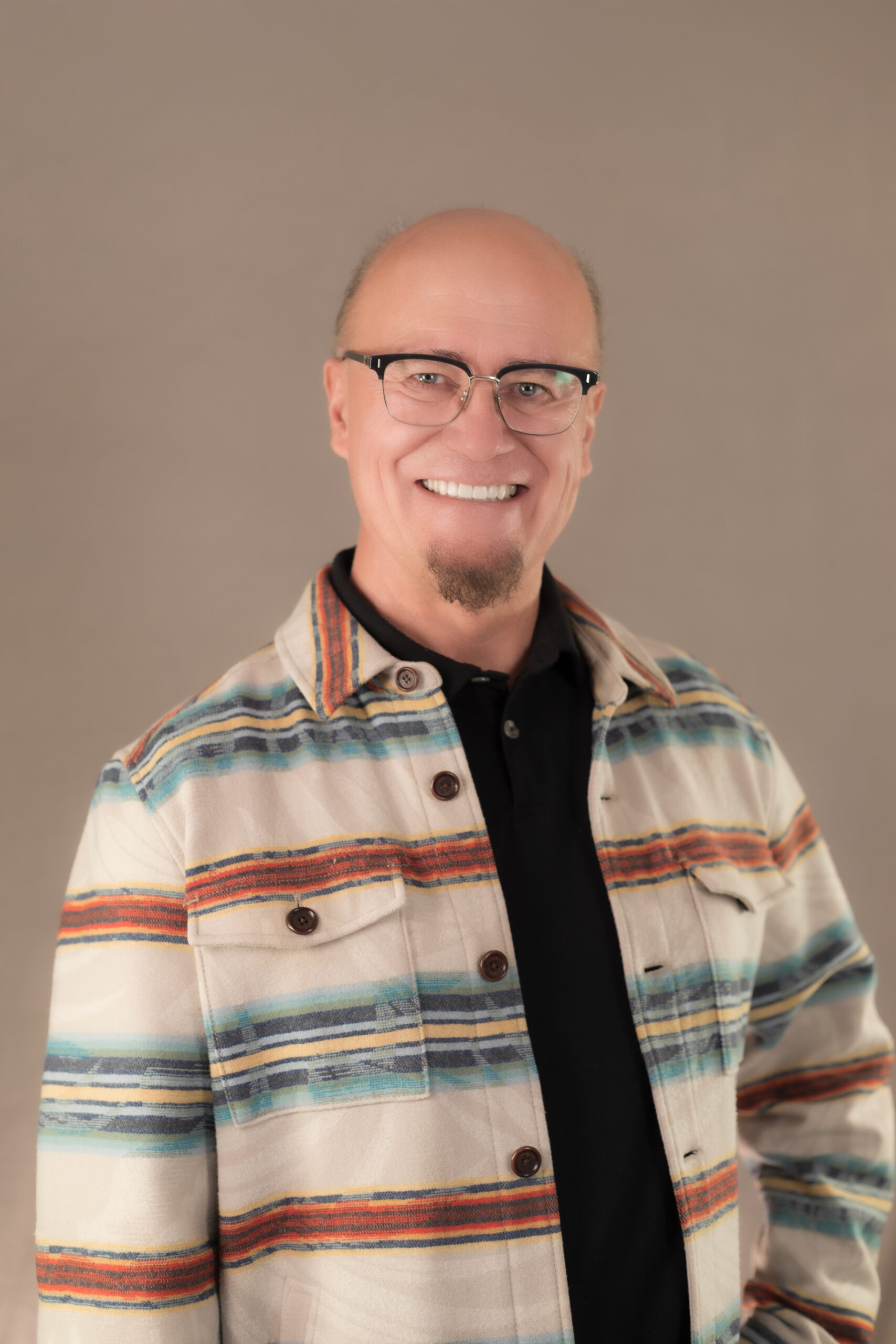
Brett Lee Shelton (Oglala Sioux Tribe)
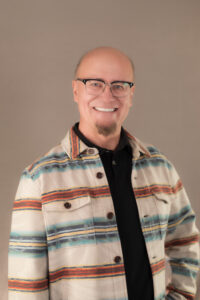
Attorney Brett Shelton is primarily responsible for the peacemaking project at the Native American Rights Fund (NARF). In addition to the Indigenous Peacemaking Initiative (IPI), his work at NARF includes boarding school healing project work, sacred places protection, and other religious freedom matters.
Brett developed interest in peacemaking and alternative dispute resolution while still in law school at Stanford. At that time, he took a Native American Common Law course, which included a unit on Navajo Peacemaking, and an innovative, year-long, highly participatory course in mediation. While working as a Law Clerk, he helped establish an alternative dispute resolution program at San Mateo County Superior Court (Redwood City, CA).
Brett has also served as a former Volunteer Mediator in Boulder (Colorado) Community Mediation Services. He has assisted the Oglala Sioux Tribal Court with the implementation of mediation training program and an innovative juvenile sentencing diversion program focused on cultural revitalization for troubled youth. Brett is also an occasional Tribal Appellate Court Justice for various Tribal Courts.
Education:
- J.D., Stanford University
- M.A., University of Kansas
Publications:
- Using Culture and Natural Law To Strengthen a Modern Justice System. Powerpoint by Brett Lee Shelton, Staff Attorney, Native American Rights Fund.
- “When Justice Doesn’t Work: A NARF Attorney on Restoring the Circle” Article in Indian Country Today highlighting Peacemaking work by Brett Lee Shelton
Taos Pueblo & Santa Ana Pueblo
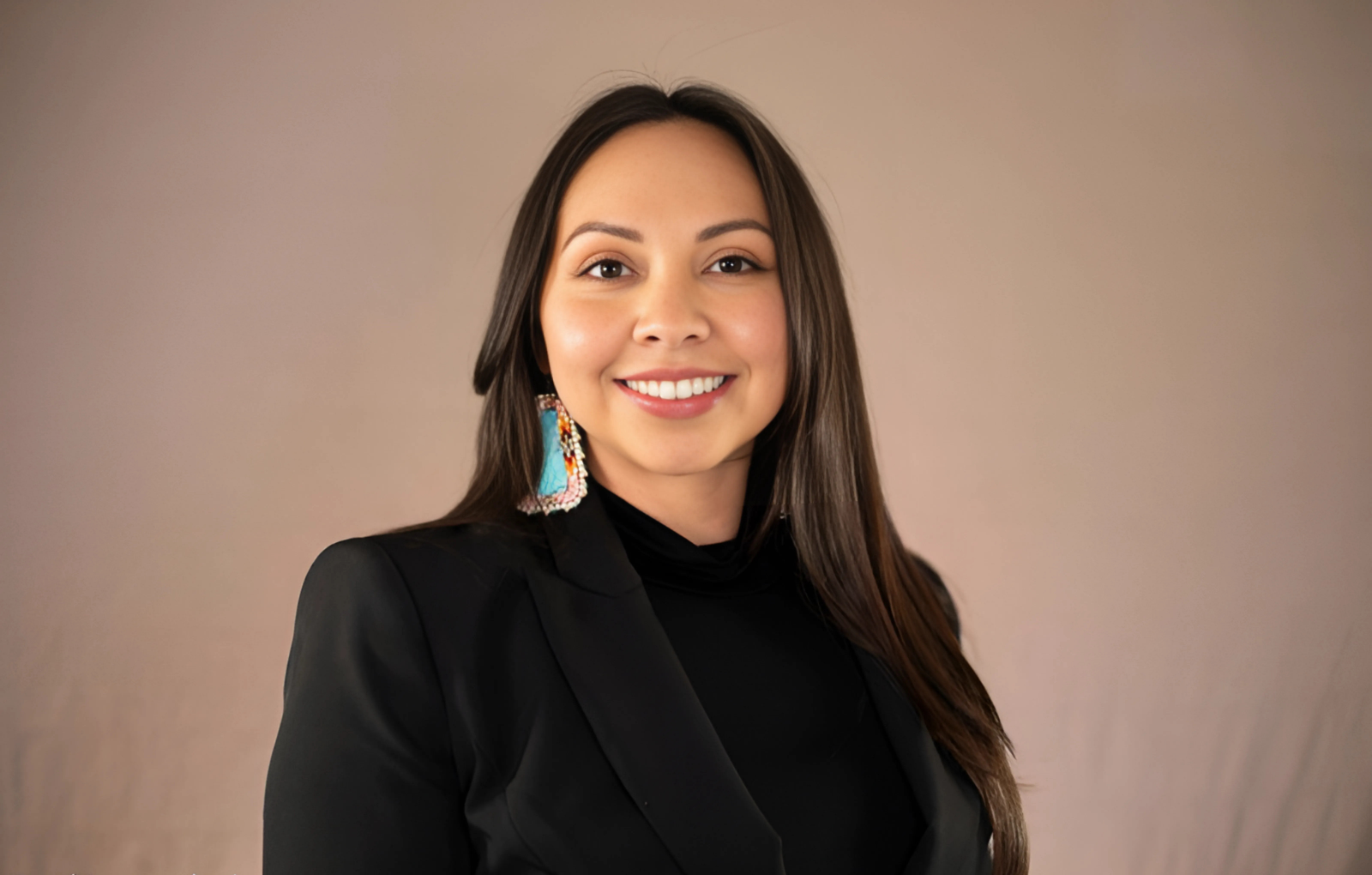
Tachara Salazar (Taos Pueblo & Santa Ana Pueblo)
Tachara is the Executive Legal Assistant at NARF where she helps assist Attorney Brett Shelton with the IPI site managing web content, strategy and fundraising efforts. She also assists NARF’s Case Selection Committee and Tribal Water Institute while managing multiple projects and implementing various skills such as graphic design, and event planning. Peacemaking has become one of Tachara’s favorite branches of her work as it has allowed her to expand her skill set while sparking her creativity.
Tachara is a tribally enrolled member of Taos Pueblo & Santa Ana Pueblo in New Mexico. She is also Chicana and has deep roots in the Spanish Peaks of Southern Colorado. With an educational background in Ethnic Studies, experience in Financial Services, and passions in Nutrition and Fitness education, she has learned to combine her skill sets in all three realms to make relatable and applicable educational content for change.
Tachara has an ever-evolving goal in pursuing her passion for helping underrepresented communities create intergenerational wealth through storytelling, education, physical & mental health, wealth, and everything in between.
Join Our Circle
Donate to help ensure that we can continue this important work promoting traditional justice practices.
Contact Us
Combined, the Advisory Circle of the Indigenous Peacemaking Initiative has decades of experience implementing peacemaking programs.
If you would like assistance implementing peacemaking in your tribe or Native community, we may be able to help.
We routinely give presentations, develop curricula, and provide training and technical assistance to Tribal Nations and commuinities seeking to implement peacemaking or other traditional Indigenous dispute resolution processes. Please contact peacemaking@narf.org to discuss how we can assist you.